Airway Orthodontics in Cincinnati: An Honest Guide for West Side Parents
Medically reviewed by Stephen Haverkos, DMD, MSD, Board-Certified Orthodontist
Quick Answer: Yes — jaw structure and breathing are genuinely connected. In some children, a narrow upper jaw can restrict nasal airflow, and orthodontic treatments like palate expanders may improve breathing as a secondary benefit.
But orthodontics is not a cure for sleep apnea or snoring, and any practice promising that is overselling. Here’s what the research actually supports, and how Dr. Haverkos approaches it on Cincinnati’s West Side.
On this page:
- What “airway orthodontics” actually means — and what it doesn’t
- The structural connection between a narrow jaw and breathing problems
- What a palate expander can and can’t do
- Why most snoring and sleep apnea cases start with an ENT, not an orthodontist
- Warning signs worth taking seriously in your child
- What an honest evaluation at Haverkos Family Orthodontics looks like
You’ve Probably Seen the Ads
If you’ve spent any time on parenting Facebook groups or done a Google search about your child’s snoring, you’ve likely come across “airway orthodontics.” Maybe you’ve seen practices promising that palate expanders will transform your kid’s sleep, eliminate behavioral problems, and basically change their life.
Some of it is legitimate. Some of it is fear-based marketing designed to get you into a chair.
Dr. Stephen Haverkos is a board-certified orthodontist who takes his cues from the research — not from what sells. He’ll tell you what the evidence actually supports, evaluate your child’s specific situation honestly, and refer you to the right specialist when orthodontics isn’t the answer.
That’s a less exciting sales pitch. But for Cincinnati families who want straight answers, it’s exactly what they’re looking for.
At Haverkos Family Orthodontics, Dr. Haverkos regularly evaluates children whose parents are concerned about mouth breathing, snoring, or narrow jaws — and he gives them a straight answer either way.
What “Airway Orthodontics” Actually Means
Start with the anatomy: the roof of your mouth is the floor of your nasal cavity. They share a wall. When the upper jaw (called the maxilla) is too narrow, it can physically restrict nasal airflow — not just create a crowded smile.
That’s not a theory — it’s a documented structural change. Multiple studies have shown measurable increases in nasal airway volume after rapid maxillary expansion in children, though the long-term effect on sleep apnea remains less clear. What is consistent is that when a narrow arch is the structural problem, expansion addresses it directly.
The connection between jaw structure and breathing is real. Where things fall apart is the leap from “this can help” to “this will cure your child’s sleep apnea.” That’s where the evidence gets shaky — and where Dr. Haverkos draws a clear line.
What Orthodontics Can Genuinely Address
When Dr. Haverkos evaluates a patient with potential airway concerns, he’s looking for actual structural findings — not just snoring or restless sleep as a standalone complaint. If your child has a crossbite, a constricted maxilla, or significant crowding that points to a narrow arch, those are legitimate orthodontic findings. Treating them is the primary goal. Improved breathing, when the narrow jaw was the underlying issue, is a real and meaningful secondary benefit.
The treatments at Haverkos Family Orthodontics include palate expanders for the right patients — specifically children who still have developing jaw bones, where expansion is most effective and permanent. Treatment is most impactful roughly between ages 7 and 12, before the mid-palatal suture (the joint connecting the two halves of the upper jaw) begins to fuse.
When a child has a genuinely narrow upper jaw, expanding it can:
- Create proper room for permanent teeth without extractions
- Correct a posterior crossbite
- Widen the nasal floor, supporting easier nasal breathing
- Improve tongue posture by giving it more space to rest properly
These are real outcomes for real patients — not marketing promises.
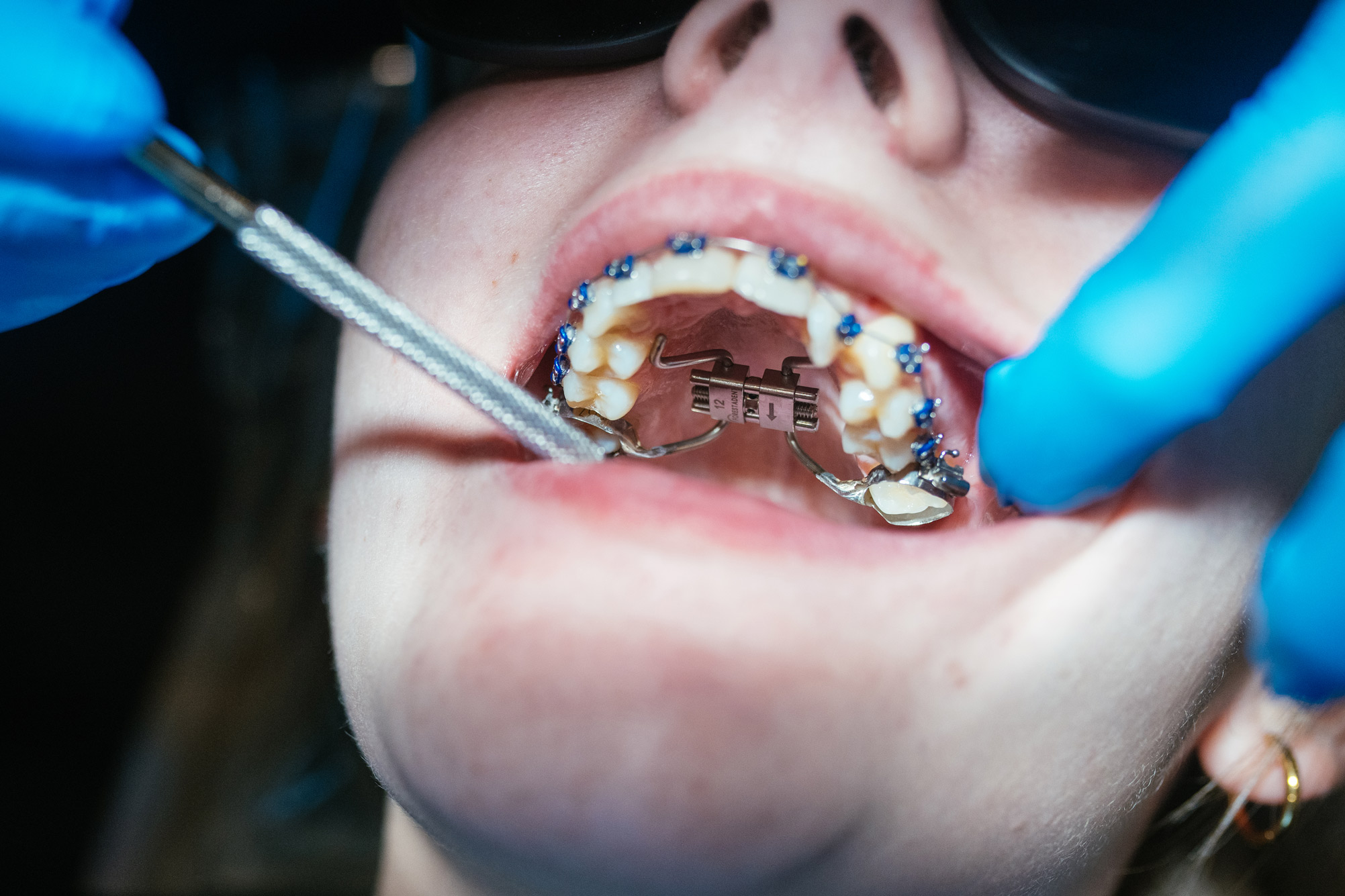
Can a Palate Expander Help a Child Breathe Better?
A palate expander — also called rapid maxillary expansion — widens the upper jaw in growing children by gradually separating the two halves of the palate before they fuse. Because the roof of the mouth forms the floor of the nasal cavity, that expansion can also increase nasal airway space.
For children with a narrow upper arch or posterior crossbite, this can:
- Increase nasal airway volume
- Encourage nasal breathing instead of mouth breathing
- Give the tongue more space to rest properly against the palate
- Reduce airflow resistance through the nose
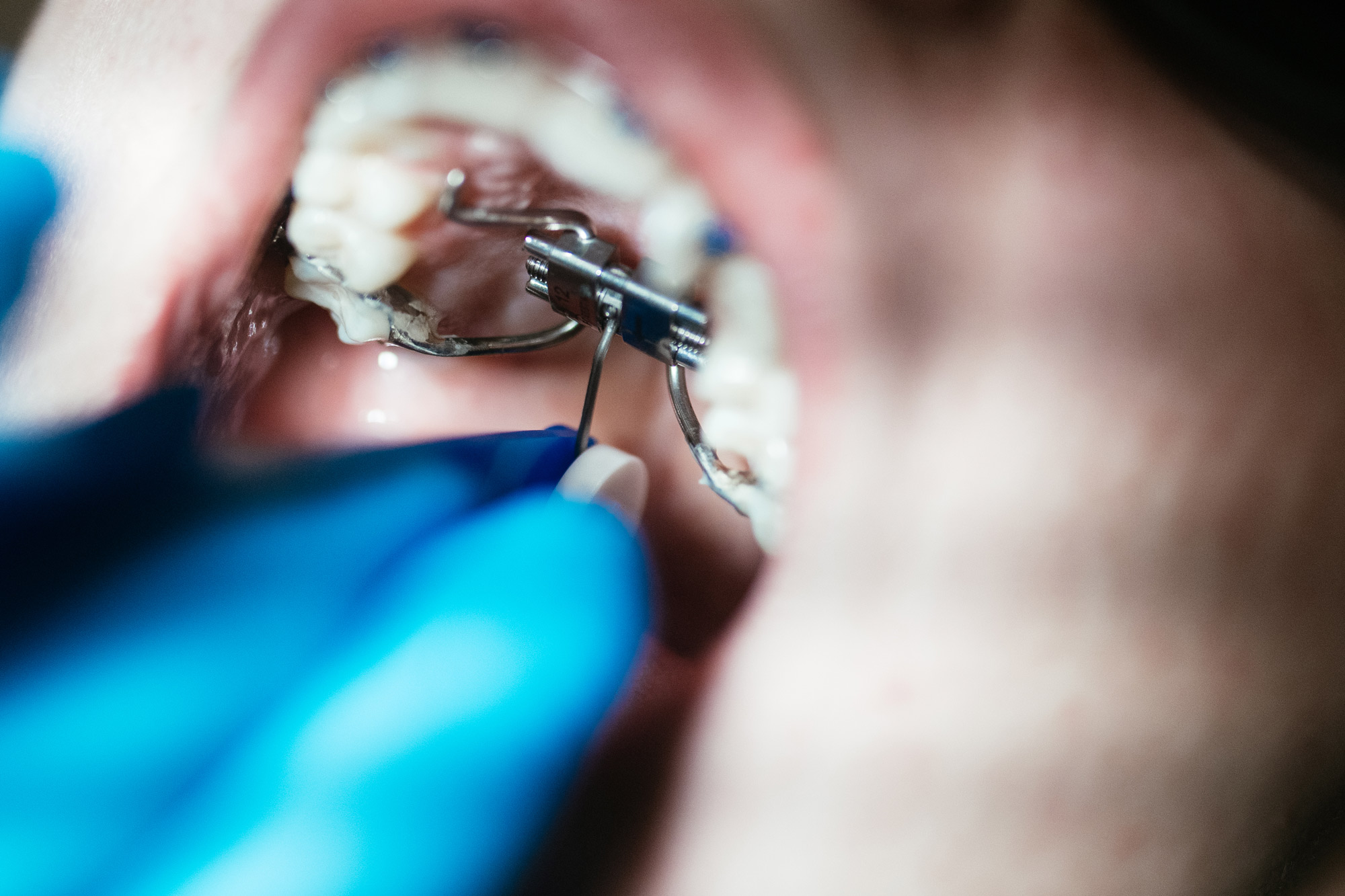
Many children with a narrow palate or crossbite also show signs of mouth breathing, which can influence facial growth and airway development over time. Catching that early — while jaw bones are still developing — makes a real difference in what treatment can accomplish.
That said, palate expansion doesn’t treat the soft-tissue causes of sleep apnea, like enlarged tonsils or adenoids. When those are the main issue, an ENT evaluation is usually the right first call. Dr. Haverkos will tell you which situation you’re dealing with.
What Orthodontics Can’t Do
Dr. Haverkos will not promise that an expander will cure sleep apnea, stop snoring, or improve your child’s grades. That’s where he parts ways with the more aggressive corners of the airway orthodontics world.
The American Association of Orthodontists has been explicit about this. Their white paper on obstructive sleep apnea and orthodontics concluded that there is no evidence supporting the idea that orthodontic treatment can predict, prevent, or cure sleep apnea. That doesn’t mean jaw structure is irrelevant to breathing — it clearly is. But sleep-disordered breathing involves soft tissue, tonsil and adenoid size, muscle tone, weight, genetics, and more. It’s rarely a single-cause problem with a single-treatment fix.
For most children who snore or show signs of obstructive sleep apnea, the primary cause is enlarged tonsils and adenoids — and that’s an ENT problem, not an orthodontic one. Removing tonsils and adenoids has strong evidence behind it for improving pediatric sleep apnea. A palate expander without addressing the soft tissue side of things may do little.
When a parent comes to Dr. Haverkos worried about their child’s breathing, and he examines them and finds a wide, well-developed arch, he tells them the truth: orthodontics probably isn’t the answer here. That’s a referral to an ENT, not a $3,000 expander.
Signs Your Child’s Breathing or Jaw Development Should Be Evaluated
There are real red flags that warrant an orthodontic evaluation — especially when they show up alongside dental and jaw concerns. West Side Cincinnati parents should pay attention if their child:
- Breathes primarily through their mouth, especially during sleep
- Snores consistently or has been observed to pause their breathing at night
- Wakes up tired despite getting enough hours of sleep
- Has crowded teeth, a crossbite, or a noticeably narrow upper arch
- Shows behavioral or attention issues that could be related to poor sleep
- Grinds their teeth at night
- Has chronic ear infections or nasal congestion not explained by allergies
Kids with obstructive sleep apnea often don’t show up as sleepy — they show up as hyperactive, irritable, and struggling to focus. Studies have found that children with sleep-related breathing disorders are significantly more likely to develop behavioral problems that look a lot like ADHD. That doesn’t mean every child with attention issues has a jaw problem. But if your child has both dental red flags and behavioral concerns — or you’ve noticed a developing overbite alongside any of the signs above — it’s worth having the conversation with an orthodontist who will evaluate the full picture honestly.
Quick self-check
Is your child's issue one an orthodontist can help with?
Three quick questions. This won't diagnose anything, but it will give you a sense of whether an orthodontic evaluation or a different specialist is the right first step. That's the same honest approach Dr. Haverkos takes in the chair.
Question 1 of 3
Has a dentist, pediatrician, or orthodontist ever mentioned a narrow upper jaw, crossbite, or crowded teeth?
Question 2 of 3
Does your child show any of these signs regularly?
Question 3 of 3
What's your main concern right now?
Your result
Schedule a free evaluationThis self-check is for general guidance only and isn't a diagnosis. Only an in-person exam can tell you what's actually going on. When in doubt, an evaluation is free and there's no obligation.
The Honest Evaluation Process
When you bring your child to Haverkos Family Orthodontics for a first visit, the evaluation isn’t a rubber stamp leading to an expander recommendation. Dr. Haverkos looks at jaw width, bite relationship, and arch development in the context of your child’s overall presentation — not just their teeth in isolation.
If the findings suggest a constricted maxilla is contributing to breathing concerns, he’ll explain exactly what he sees, what treatment would address, and what it realistically might — and might not — change. If the jaw structure looks fine, he’ll say so and point you toward the right specialist. That honesty is what Cincinnati families who’ve researched orthodontists keep coming back to.
When cases call for it, Dr. Haverkos works alongside ENT specialists and sleep medicine physicians to make sure the full picture gets addressed. Complex cases with airway considerations benefit from that kind of team approach — and he won’t hesitate to bring in the right people.
Why Honest Beats Hype
The internet is full of parents who got sold an expander that didn’t solve their child’s sleep issues — frustrated and out of pocket, wondering what they missed. It’s also full of parents who wish someone had caught a narrow arch earlier, when the window for effective, non-surgical expansion was still open.
The answer isn’t to write off airway orthodontics entirely, or to buy into every claim from practices using it as a marketing hook. It’s finding an orthodontist who will tell you what they actually find — and give you a treatment plan built on that, not on fear.
That’s the job. Dr. Haverkos is happy to say “yes, this is relevant to your child” when it is — and equally happy to say “this isn’t your answer, here’s who to call” when it isn’t. Not every practice will tell you the second thing.
Frequently Asked Questions
Can a palate expander help my child breathe better?
It can, in cases where a constricted upper jaw is actually restricting nasal airflow. Expanding a narrow maxilla widens the nasal floor and can meaningfully improve nasal breathing. But not every child with breathing concerns has a narrow arch — and not every narrow arch is causing breathing problems. An evaluation is the only way to know.
Is airway orthodontics real or just marketing?
The connection between jaw structure and breathing is real and anatomically sound. What gets overstated is the claim that orthodontics can cure sleep apnea or snoring. The American Association of Orthodontists is clear that orthodontists cannot diagnose or cure sleep apnea. Legitimate airway-conscious orthodontics focuses on treating structural issues — better breathing, when it occurs, is a secondary benefit.
When should my child see an orthodontist about breathing concerns?
The American Association of Orthodontists recommends an orthodontic evaluation by age 7. If your child also shows signs of mouth breathing, snoring, restless sleep, or unexplained behavioral issues, mention those at the evaluation — it gives the orthodontist a fuller picture. Early evaluation doesn’t mean early treatment. It means knowing what you’re working with.
What if my child has enlarged tonsils and a narrow jaw?
They may need both addressed — and often the order matters. Some research suggests that in children who need both palatal expansion and tonsil/adenoid removal, starting with the less invasive option first may be the right call. Dr. Haverkos will work with your ENT to coordinate care appropriately.
My child snores but their teeth look fine. Should I still see an orthodontist?
If snoring is your primary concern and your child’s arch looks well-developed, an ENT is probably the better first step. Dr. Haverkos will tell you this directly. If your dentist or pediatrician has noted a narrow upper arch alongside the snoring, then an orthodontic evaluation makes sense.
Does insurance cover treatment for airway-related orthodontics?
If treatment is recommended based on a documented malocclusion — crossbite, narrow arch, crowding — most insurance plans with orthodontic benefits apply the same way they would for any orthodontic case. Coverage is based on the structural findings, not the secondary breathing benefit. The team at Haverkos Family Orthodontics will help you understand what your plan covers before anything starts. Learn more about financing options and insurance.
If you’re worried about your child’s breathing, bite, or jaw development, a quick evaluation can give you clear answers — no obligation.
Visit Us in Cincinnati
Whether you have specific concerns about your child’s breathing, bite, or jaw development — or you just want a straightforward evaluation without the sales pressure — we’d love to meet your family.
Your first visit includes a free full exam with x-rays, photos, and a real conversation about what we find. No obligations, no pressure.
Bridgetown Office
5754 Bridgetown Rd, Cincinnati, OH 45248
Harrison Office
9717 Dry Fork Rd, Harrison, OH 45030
Phone: (513) 481-8000
Hours
- Monday: 7:30am – 4:30pm
- Tuesday (school year): 12:00pm – 5:30pm
- Tuesday (summer): 8:00am – 2:00pm
- Wednesday – Thursday: 7:30am – 4:30pm
- Friday: 10:00am – 2:00pm
- Saturday – Sunday: Closed
Serving families from: Bridgetown · Delhi · Green Township · Colerain · Harrison · Cheviot · White Oak · North Bend · Whitewater Township · and throughout Cincinnati’s West Side.